.png)
The Benefits of Intergenerational Connections for Older Adults
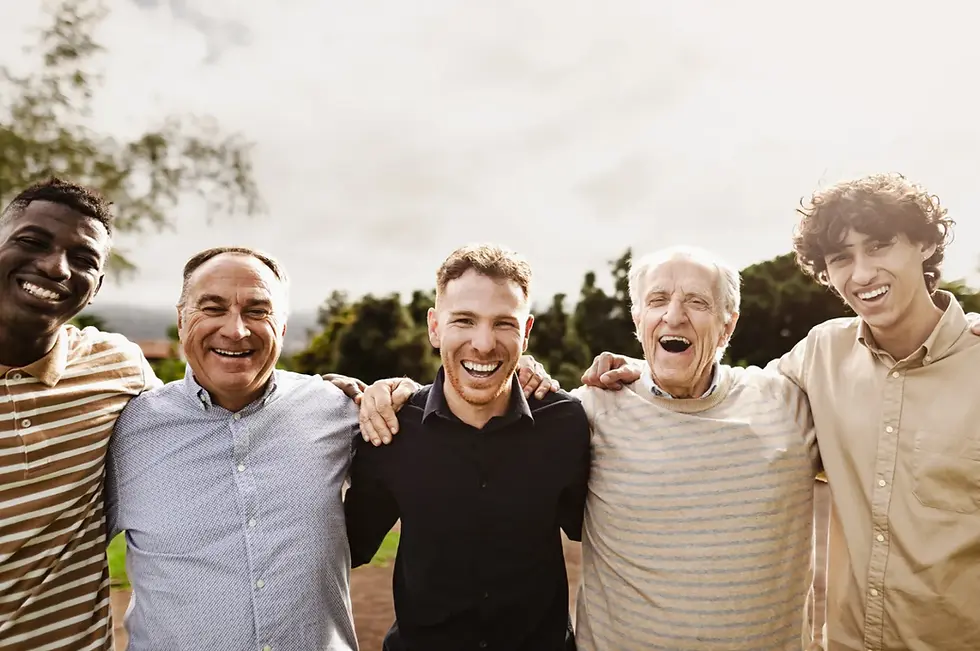
As caregivers, we often focus on addressing immediate needs such as medications, meals, and safety. Yet some of the most profound aspects of well-being emerge from unexpected places. Intergenerational connections offer something uniquely nourishing: the opportunity to see ourselves reflected through different eyes, to share what we know, and to remain curious about perspectives we have never considered.
Why Connection Across Generations Matters
Relationships between older and younger people create space for mutual discovery. These are not one-directional exchanges where wisdom flows only from elder to youth or where only the older person benefits from companionship. Rather, authentic intergenerational relationships acknowledge that people of all ages carry valuable experiences, questions, and gifts to share.
For older adults navigating the challenges of aging, intergenerational connections can provide a renewed sense of purpose and meaning. A grandmother teaching her teenage neighbor to knit is not simply passing time; she is sharing mastery, creating beauty, and experiencing herself as capable and needed. The teenager is not merely being kind; she is learning patience, developing new skills, and discovering stories that expand her understanding of life's arc.
This reciprocity matters deeply. When we approach intergenerational connections as something mutually beneficial rather than a service performed for older adults, we honor the full humanity of everyone involved. We witness each person in their wholeness, recognizing that meaningful exchange flows in both directions.
How Intergenerational Relationships Develop
These meaningful connections do not require formal programs, though structured opportunities can certainly help. Often, the most sustaining relationships emerge naturally through simple, human moments.
Shared Activities and Interests
Community gardens, art classes, book clubs, and volunteer projects create common ground where age becomes less relevant than shared enthusiasm. An 80-year-old and a 25-year-old working side-by-side at a food bank discover each other through action and purpose, grounded in something larger than themselves.
Storytelling and Life Review
When older adults share their experiences, whether through formal oral history projects or casual conversation, they offer younger people context for understanding their own lives. Life review practices can help older adults find meaning in their journey while creating connection points across generations. These stories become threads that weave individual experience into collective wisdom.
Mentoring and Skill-Sharing
Whether teaching woodworking, sharing career insights, or explaining how to make the perfect pie crust, older adults often possess knowledge that younger people genuinely seek. These teaching moments affirm competence and value, reminding us that what we have learned through living matters to those still finding their way.
Daily Proximity
Multigenerational households, neighborhood relationships, and community spaces where different ages naturally intersect create opportunities for casual, ongoing connection that can deepen over time. Research shows that regular intergenerational contact reduces ageism and improves wellbeing for both older and younger participants. Sometimes the most transformative intergenerational connections emerge not from grand gestures but from small, consistent presence.
What Caregivers Can Facilitate
As caregivers, our role is not to engineer perfect intergenerational experiences but to recognize and gently support opportunities for authentic connection. This might mean:
Noticing what the person you care for genuinely enjoys sharing with others
Creating spaciousness and time for visits or activities that bring different generations together
Helping older adults feel prepared and comfortable in intergenerational settings
Stepping back when connection is happening naturally, resisting the urge to manage or mediate
Acknowledging that not every older adult wants extensive intergenerational contact, and that is okay too
Some days, facilitating connection means simply ensuring that someone has the energy, comfort, and support needed to show up as themselves. Mindful caregiving practices help us stay attuned to what each person needs without imposing our assumptions about what they should want. We practice meeting people where they are, honoring their rhythms and preferences. This attunement itself becomes an act of compassion.
Navigating Challenges with Compassion
Intergenerational connections are not always seamless. Different generations may communicate differently or hold contrasting values. Older adults managing physical or cognitive changes may feel self-conscious, while younger people might feel uncertain about bridging the experience gap.
These challenges deserve acknowledgment. By approaching them with patience rather than urgency, caregivers model the very qualities that make these relationships meaningful: acceptance, curiosity, and a willingness to let connection develop at its own pace.
Witnessing these interactions can also provide renewed energy for caregivers. Watching someone light up during a conversation with a younger person reminds us that those we care for contain multitudes beyond their health challenges. Studies indicate that these moments can even reduce caregiver stress, offering glimpses of vitality that nourish our own resilience.
Moving Forward Together
Intergenerational connections will not eliminate pain or reverse health conditions. What they offer is a powerful reminder that we remain part of the larger human story and that curiosity and growth do not end at any particular age. Contact us to learn more about caregiver education and volunteer opportunities.