.png)
Why Caregivers Need Community: The Role of Support Circles and Peer Connection
- Apr 16
- 3 min read
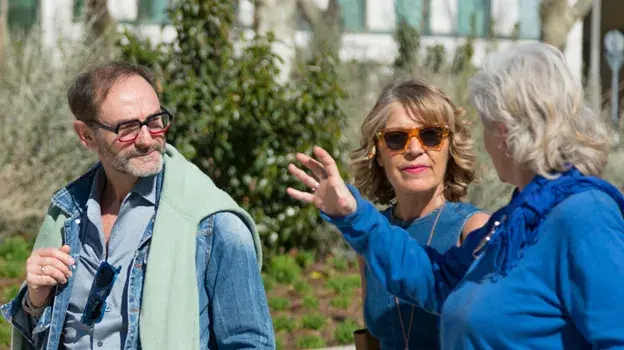
There's a particular kind of loneliness that comes with caregiving, one that can exist even in a crowded room. You might be surrounded by medical professionals, family members, or the person you're caring for and yet still feel profoundly alone with the weight of what you're carrying. This isolation isn't a sign of weakness or failure. It's a natural response to shouldering responsibility that often feels too complex to put into words.
When you're navigating the daily realities of caregiving, the uncertainty, the grief that arrives in waves, the fierce love mixed with exhaustion, you need more than advice or sympathy. You need a connection with people who truly understand because they've walked this path themselves.
The Hidden Isolation of Caregiving
Caregiving transforms your world in ways that are difficult to explain to those who haven't experienced it. Friends may offer well-meaning suggestions that miss the mark entirely. Family members might not grasp why you're struggling. The person you're caring for may be unable to acknowledge what you're going through.
This disconnect creates an emotional gap that grows wider over time. You begin editing your experiences, sharing only the parts that others can handle. The full truth, the complexity, the contradictions, the tender moments alongside the difficult ones remain unspoken. Yet these unshared experiences accumulate, adding to the burden you already carry.
What Peer Support Offers That Nothing Else Can
When caregivers gather in support circles, something essential shifts. You don't need to explain the basics or soften the hard parts. Others in the circle recognize the territory you're navigating because they're there too.
Emotional Validation and Witnessing
In caregiver support groups, your experiences are met with understanding rather than judgment. When you share the frustration of watching someone you love decline or the guilt of feeling overwhelmed, others nod with recognition. This validation doesn't solve the challenges you face, but it dissolves the shame and isolation that often accompany them. Being truly witnessed, without having to perform or protect others from your reality, creates space for healing.
Shared Learning and Practical Wisdom
Fellow caregivers become invaluable teachers. Someone who has navigated a similar medical crisis can offer practical insights no handbook provides. Another caregiver might share an approach to difficult conversations that transformed their experience. This collective wisdom, born from lived experience, fills gaps that professional training alone cannot address. The caregiver support groups' benefits extend beyond information. They offer wisdom tempered by real human experience.
Building Emotional Resilience Through Connection
Resilience isn't something you develop in isolation. It grows through connection. Studies show that peer support significantly improves mental health outcomes for caregivers. In support circles, you witness others facing challenges with courage and creativity. You see that struggle and grace can coexist. This perspective becomes a resource you can draw on during your most difficult moments, reminding you that you're not alone in the darkness.
Creating Safe Spaces for Authentic Connection
Not all support groups are created equally. The most effective spaces for caregivers share certain qualities that allow genuine connection to flourish.
The Power of Contemplative Practice
Programs rooted in mindfulness and compassion practices create a different kind of container for sharing. When circles begin with moments of quiet reflection or incorporate mindful caregiving practices, participants arrive more fully present. This contemplative foundation allows deeper listening and more authentic expression.
Combining peer support with evidence-based mindfulness practices creates transformative experiences for caregivers. This approach, evolved from decades of direct service in hospice settings, honors both the practical and emotional dimensions of care, never separating the heart from the hands.
Beyond Problem-Solving to Presence
Support Circles work best when they're not just about finding solutions. Sometimes the most powerful gift is simply being heard without someone rushing to fix your situation.
Learning to sit with difficult emotions together, without judgment or the pressure to resolve them, builds capacity for the same compassionate presence in your caregiving relationships. This practice of bearing witness strengthens everyone in the circle.
Find Your Circle
You don’t have to carry caregiving on your own. After participating in an evidence-based mindful caregiving course through Zen Caregiving Project, you’re invited to continue the journey in Support Circles - spaces where caregivers come together in shared understanding and care.
In these circles, you may begin to hear your own experience reflected in others. You find steadiness in simply being with people who understand. Over time, what once felt heavy can feel more supported, more spacious. Reaching for support isn’t a weakness, it’s a natural and wise part of caregiving.
The impact of Support Circles often extends beyond each gathering. The connections, perspective, and sense of belonging you build can gently carry into your everyday caregiving moments.
Learn more about Zen Caregiving Project’s mindful caregiving programs and Support Circles- where ongoing care includes you, too.


