How Volunteers Can Support Social Connection for Older Adults
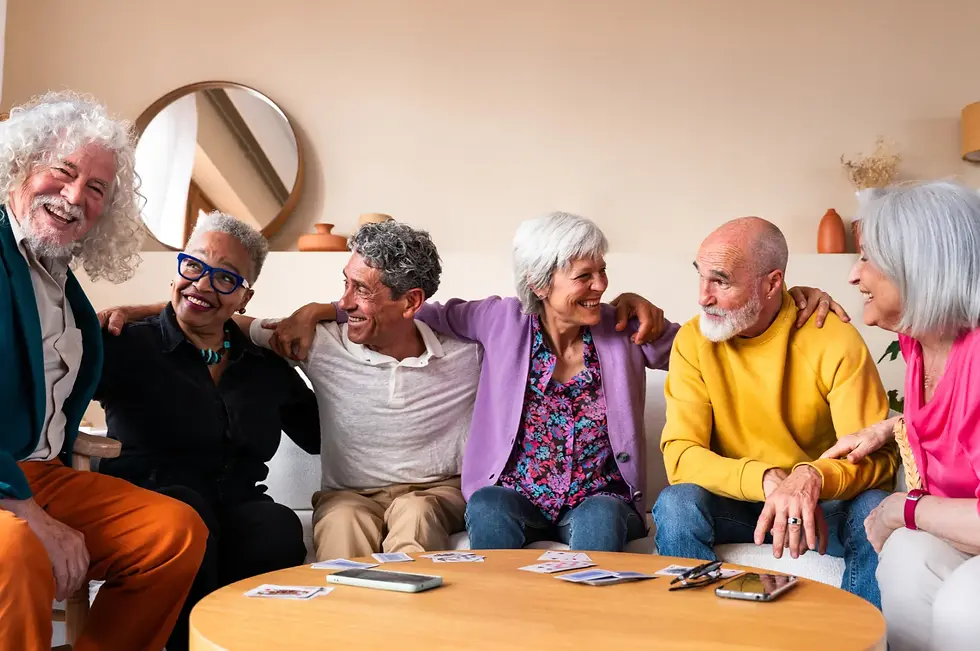
Loneliness among older adults has reached epidemic proportions, with studies showing that social isolation can be as harmful to health as smoking fifteen cigarettes a day. Yet the path forward isn't complex medical intervention. It is often something beautifully simple: human connection.
Volunteers occupy a unique and precious space in the lives of older adults. Unlike professional caregivers managing medical needs or family members navigating complex emotional terrain, volunteers supporting older adults offer something different: presence without agenda, companionship without obligation, and connection that reminds someone they remain part of the wider human community.
If you are considering volunteering with older adults, or supporting volunteers in this meaningful work, understanding how to create genuine connection can transform both the volunteer experience and the life of the person receiving care.
The Unique Gift Volunteers Bring
Volunteers aren't replacing professional caregivers or family members. Instead, they fill a distinct role that complements existing support systems. While healthcare providers address medical needs and family members often juggle caregiving with multiple other responsibilities, volunteers can simply be with someone.
This presence matters profoundly. For an older adult whose world may have contracted due to mobility limitations, health challenges, or loss of peers, a volunteer represents connection to the broader community. You are not just a helpful person; you are a window to the world, a reminder that they are still seen, still valued, and still part of the human conversation.
Creating Meaningful Connection Through Simple Acts
The Power of Attentive Listening
The most fundamental gift you can offer is your full attention. In our distracted age, truly listening to someone without checking your phone, planning what you will say next, or rushing through the conversation is increasingly rare and increasingly precious.
When you listen attentively to an older adult's stories, you are doing more than passing time. You are affirming that their experiences matter, their perspective has value, and their life holds meaning. This kind of witnessing can be profoundly nourishing for someone who may feel increasingly invisible in a youth-focused culture.
Companionship in Everyday Activities
Connection doesn't require elaborate activities or special events. Often, the most meaningful moments emerge from simple, everyday experiences done together:
Sharing a cup of tea and conversation
Taking a walk around the neighborhood or garden
Looking through photo albums and hearing the stories behind the images
Playing cards, board games, or working on puzzles
Reading aloud together
Watching a favorite show and discussing it
These activities become vehicles for connection rather than ends in themselves. The real nourishment comes from the shared experience and the message your presence sends: You are worth spending time with, and your company matters.
Helping Maintain Community Connections
Volunteers supporting older adults serve as vital bridges between elders and their broader communities. This might look like:
Accompanying someone to community events, worship services, or senior center activities
Helping facilitate video calls with distant family or friends
Reading and discussing news or local happenings together
Sharing stories about what's happening in the neighborhood
These connections help older adults remain engaged with the world beyond their immediate surroundings, combating the isolation that can accompany aging.
Why Consistency Matters
While any volunteer visit can brighten someone's day, consistent, reliable presence creates something deeper: trust and genuine relationship.
When you show up regularly, whether weekly, biweekly, or monthly, you become a dependable presence in someone's life. They can look forward to your visits. You develop shared history and inside jokes. You move from being "a volunteer" to being "my friend who visits on Thursdays."
This consistency also allows you to notice changes over time. You may notice shifts in mood, health, or well-being that you can gently bring to the attention of family members or care coordinators when appropriate.
The Mindful Approach to Volunteer Connection
We have learned that the most effective volunteers aren't necessarily those with the most skills or available resources. They are the ones who can be fully present with another person, including during moments of difficulty and suffering.
This means bringing non-judgmental awareness to each interaction and being comfortable with silence. Rather than trying to fix everything or cheer someone up when they are genuinely sad, volunteers can offer support by simply being there. Sometimes, sitting with someone in their authentic feelings and letting them know they don't have to face those feelings alone can be the most meaningful form of support.
This contemplative approach recognizes that caregiving, whether professional, family, or volunteer, is deeply human work. It asks us to listen, remain present, and respond to people with compassion for whatever they may be experiencing.
Setting Healthy Boundaries
While volunteers offer vital support, it is important to remember what volunteer relationships are and are not. Volunteers aren't responsible for solving loneliness, meeting every need, or serving as professional caregivers.
Healthy volunteer relationships include:
Clear expectations about visit frequency and duration
Understanding the scope of your role
Knowing when to connect the older adult with professional resources
Taking care of your own emotional resilience so you can show up fully
Beginning the Journey
Supporting social connection for older adults as a volunteer is profoundly meaningful work. It asks you to show up with your full humanity, offer genuine presence, and trust that your companionship matters, because it does.
Whether you are a volunteer seeking to deepen your practice, a program coordinator training volunteers, or a healthcare organization developing volunteer programs, we invite you to explore how contemplative approaches can transform the experience of giving and receiving care.
Contact Zen Caregiving Project today to learn more about our volunteer training programs and discover how we can support you in cultivating presence, compassion, and meaningful connection in this sacred work.