Meaningful Activities for Older Adults Who Feel Isolated

Isolation doesn't always look like being alone. Sometimes it is sitting in a room full of people yet feeling utterly disconnected. Sometimes it is the quiet hours that stretch too long or the sense that no one really needs you anymore.
As caregivers, we witness this tender ache every day: the older adults in our care who long not just for company but for connection that matters. The good news? Meaningful engagement isn't about filling time or checking boxes on an activity schedule. It is about creating moments where people feel genuinely seen, valued, and alive, crafting moments that honor the fullness of who they are.
Beyond Busy Work: What Makes Activities for Isolated Older Adults Truly Meaningful
Before we explore specific activities for isolated older adults, let's pause and consider what we are really seeking. Meaningful engagement goes deeper than distraction or entertainment. It touches on several essential human needs that remain constant throughout our lives:
Connection with other people, even in small and simple ways.
Purpose through contribution or creating something of value.
Expression of identity, creativity, and personal history.
Autonomy to choose how to spend time.
Growth through learning, moving, or experiencing something new.
Not every activity needs to fulfill all these needs, and that is perfectly okay. But the most meaningful ones touch at least one deeply and authentically. Crucially, what feels meaningful to one person may feel empty to another. Our role as mindful caregivers is to stay curious, observe what brings light to someone's eyes, and adapt thoughtfully with compassion rather than assumption.
Activities That Foster Genuine Connection
One-on-One Conversations With Full Presence
Simply sitting together takes on new depth when we bring our full, undivided presence. This is where guided meditation practice can prepare us as caregivers to show up more fully.
Try asking open-ended questions that invite someone to share their life experiences. You might ask, "What was your favorite room in your childhood home?" or "What smell brings you right back to a particular moment?" Listen with your whole heart without rushing to fill silences. Consider recording these conversations as audio or video if the person is willing. This creates legacy material while affirming that their story matters.
Letter Writing and Correspondence
Help older adults write letters to family members, old friends, or even local schoolchildren who become pen pals. The anticipation of receiving replies creates ongoing connection and something to look forward to. For those with limited mobility or difficulty writing, you might lovingly transcribe while they speak, honoring their words exactly as they share them.
Intergenerational Programs
Many communities offer programs connecting older adults with children for reading, crafting, or simply spending time together. The benefits of intergenerational programs are profound: these relationships offer young people wisdom and perspective while giving older adults a renewed sense of purpose and relevance.
Activities That Create Purpose and Contribution
Contributing to Family or Community Life
Even small contributions combat the painful feeling of being a burden rather than a participant in life. When we help older adults contribute meaningfully, we acknowledge their continued value. This might look like:
Sorting buttons, stamps, or photographs for family albums.
Folding towels, napkins, or pairing socks.
Preparing simple meal components like snapping beans or tearing lettuce.
Offering advice on family decisions where their experience and wisdom truly matter.
Sharing skills they have honed over decades.
The key is genuine contribution, not manufactured tasks that feel patronizing. People can sense when something is real versus when we are simply keeping them occupied.
Tending Living Things
Caring for plants, feeding birds at a window feeder, watching a fish tank, or even helping care for a gentle pet can provide daily purpose and routine. These small acts of nurturing allow people to give care rather than only receive it, a vital shift in identity for many older adults who struggle with feeling dependent. Something is healing about being needed, even by a houseplant.
Creative Expression Activities for Isolated Older Adults
Music Engagement
Music reaches us even when other pathways seem to close. Exploring music therapy and aging shows how it bypasses our defenses and speaks directly to emotion and memory. Consider:
Playing familiar songs from someone's youth or meaningful life chapters.
Providing simple instruments like drums, shakers, or bells for participation.
Attending live music in community settings when possible.
Singing together, even if voices shake or you forget words.
Music isn't about performance or getting it right. It is about feeling something together.
Visual Arts Without Pressure or Expectation
Watercolors, clay, collage, adult coloring books, or simple drawing require no artistic training or talent. The process itself offers both expression and a tangible result that says, "I was here, and I made this." Display finished pieces with genuine appreciation, treating them as the real art they are.
Storytelling and Life Review
Invite older adults to share stories prompted by old photographs, music, meaningful objects, or simple questions. This isn't just reminiscence; it is the sacred work of making meaning of a life lived. These conversations affirm identity and create opportunities for wisdom-sharing that honors both the storyteller and the listener.
Movement and Sensory Activities
Gentle Movement Practices
Chair yoga, stretching, simple dancing, or walks adapted to ability level keep bodies engaged while honoring limitations. Practices like chair yoga for seniors demonstrate how movement combats physical decline and low mood while building trust and connection with caregivers. Even gentle hand or shoulder massages, done with permission and presence, can be profoundly meaningful for isolated older adults who may rarely experience caring touch.
Nature Connection
Even five minutes outdoors shifts something in our nervous systems and spirits. Sit together in the sun, watch clouds move across the sky, touch tree bark, smell flowers, or listen to birdsong. For those who can't go outside, bring nature in with flowering branches, smooth stones to hold, recordings of ocean waves, or even just opening a window to feel the breeze.
Learning and Mental Engagement
Documentaries and Discussion
Choose documentaries about topics that genuinely interest the person, whether nature, history, travel, music, or art. Watch together rather than leaving them to watch alone, and discuss it afterward. This stimulates thinking while creating a shared experience that demonstrates their perspectives matter to you.
Games That Connect Rather Than Compete
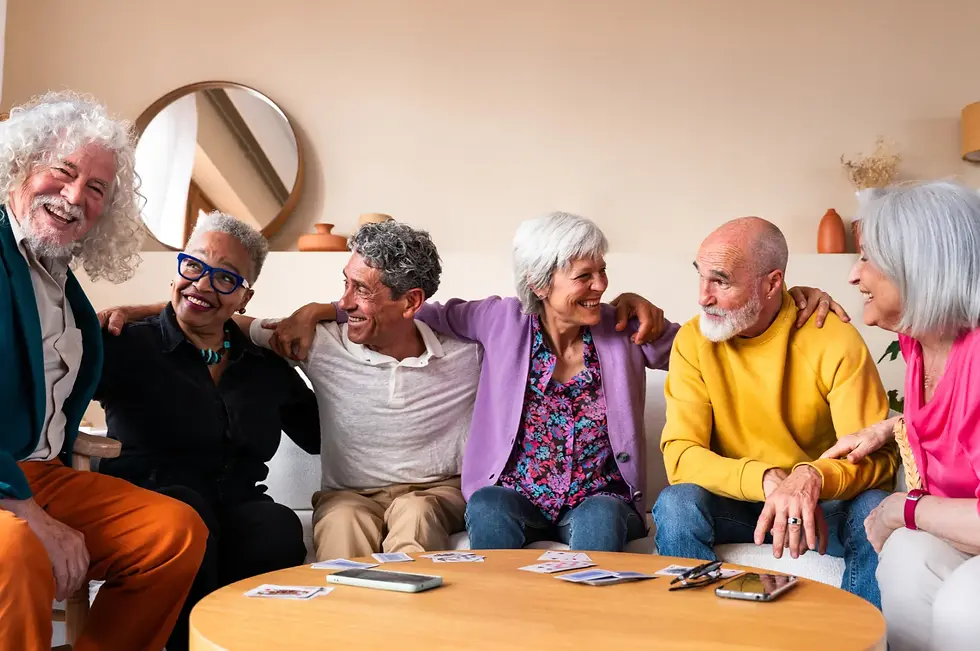
Card games, simple board games, word games, or puzzles work best when they are about being together rather than winning. Adapt rules freely to match cognitive abilities and energy levels without making a big deal of it. The goal is enjoyment and connection, not strict adherence to instructions.
Making Activities Work in Real Life
The most perfectly planned activity means nothing if it doesn't honor the actual person sitting in front of you right now. Stay flexible and responsive. Notice what engages and what drains. Some days call for quiet companionship rather than any structured activity, and that is often exactly what is needed.
Consider energy levels, pain, sensory needs, and cognitive abilities without making assumptions based on diagnosis or age. Someone with dementia might find genuine joy in sorting colorful fabric scraps, and someone with limited mobility might take joy in becoming the designer of a garden they direct others to plant.
Most importantly, do activities with people rather than for them. Your engaged, non-judgmental presence transforms any activity into a genuine connection.
Creating Meaning Together: The Heart of Caregiving
Addressing isolation in older adults is not about keeping people busy or filling empty hours. It is about honoring their humanity through connection, purpose, and authentic presence. As caregivers, we hold the profound privilege of witnessing lives fully lived and creating moments that matter deeply.
There is always more to learn about how we care for ourselves and others. Explore our caregiver education and volunteer resources to build practical skills, deepen your understanding, and discover new ways to bring compassion and connection into your caregiving practice.